Redwood Grove Loop Trail
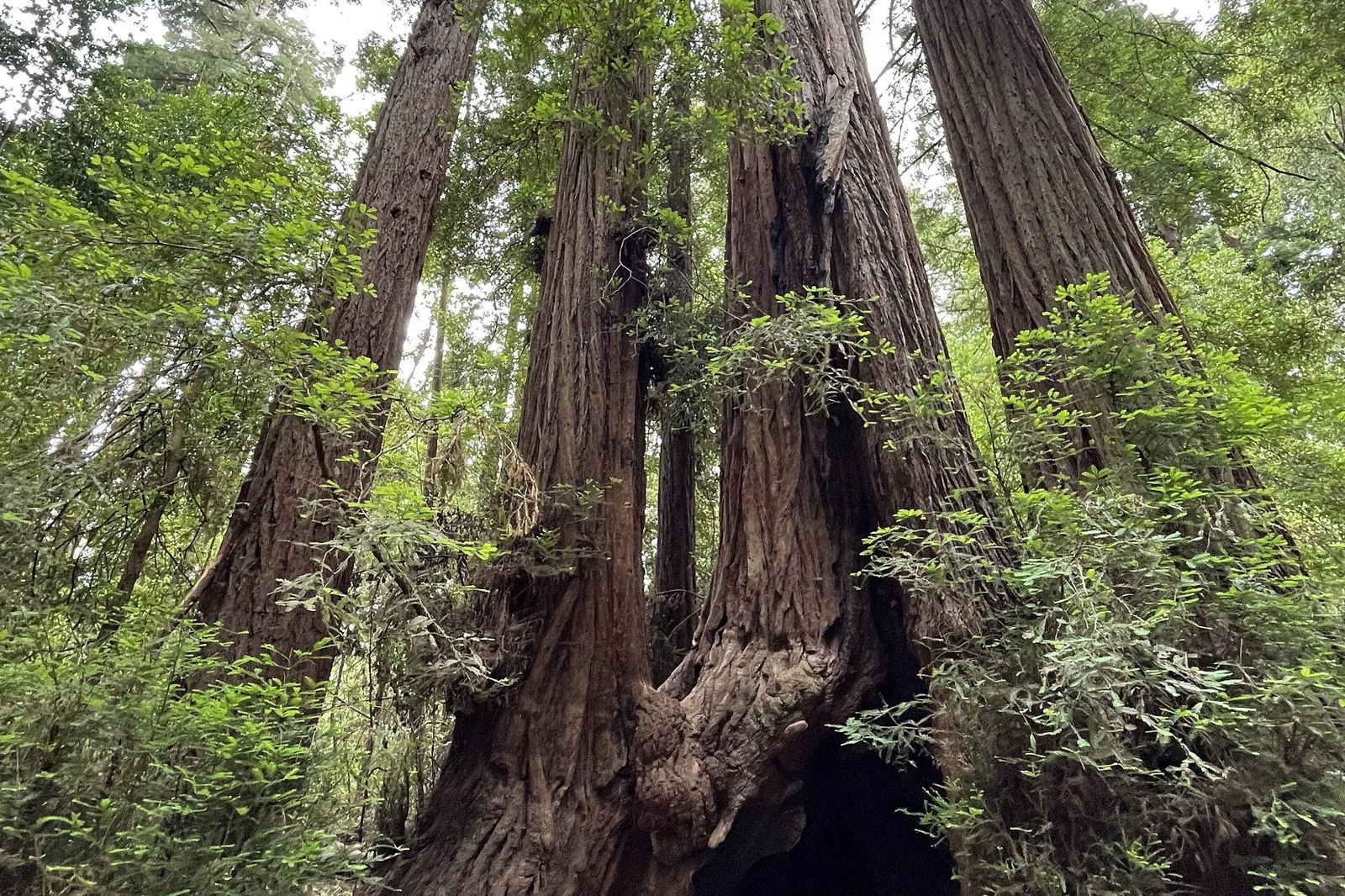
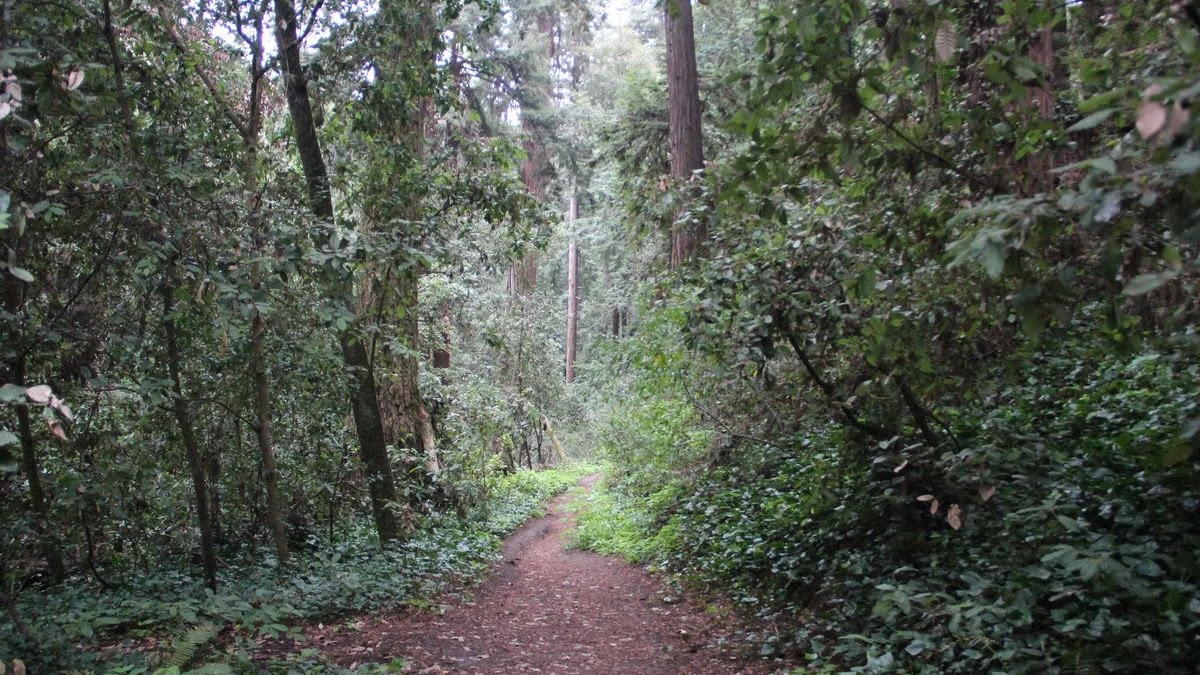
The Redwood Grove Loop Trail is a flat, 0.8-mile loop through the 40-acre grove of old-growth coast redwoods at Henry Cowell Redwoods State Park in Felton. It starts at the visitor center, climbs only about 30 feet, and is wheelchair accessible, so most visitors can walk it in under an hour. Dogs, bikes and horses are not allowed on it. Bring a flashlight to step inside the hollow Fremont Tree.
The Loop at a Glance
Why This Trail Matters
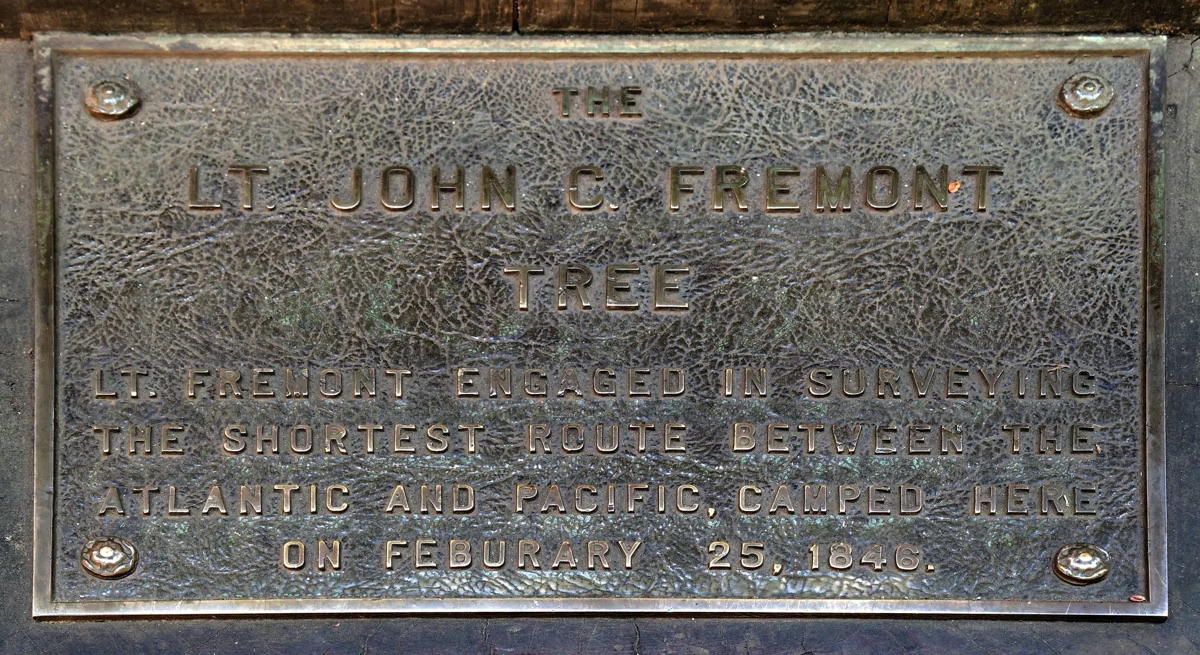
This is the park's most popular walk and the reason most people come. The grove was admired by the explorer John C. Frémont, who camped here in 1846, and by President Theodore Roosevelt. California State Parks credits a 1900 visit by the photographer Andrew P. Hill with starting the Sempervirens Club and the redwood preservation movement; the full story is on the history page.
The trees are big by any measure. The park page puts the tallest at about 277 feet tall, about 16 feet wide and roughly 1,500 years old. The agency's 2023 trail guide gives The Giant, the largest tree on the loop, as 282 feet tall and more than 17 feet wide, weighing around 400 tons. Both are California State Parks figures; tree heights are re-measured over time, so treat them as a range.
What You See on the Loop
The trail guide numbers 15 stops. Some to look for:
- The Giant (stop 7): the largest tree in the park, as tall as a 27-story building by the guide's count.
- A redwood family circle (stop 5): young trees that sprouted from the base of a parent tree that is gone. They are often genetically identical to it.
- The hollow tree (stop 8): from the late 1800s to the early 1900s, visitors could walk into this burned-out redwood, which had a wooden floor, a woodstove and a window. You can still see where the window was.
- The Fremont Tree: the park page invites you to take a flashlight and step inside. There is room for a whole family.
- Burls (stop 11): the knobbly growths that can sprout new branches or even a new tree after damage.
- Albino redwoods (stop 14): white-leaved sprouts with no chlorophyll, fed by the green tree they grow from.
- The Jeter plaque: remembers William and Jennie Jeter, who led the campaign that made the grove a county park in 1931.
- A dawn redwood (stop 15): a relative thought to be extinct until it was found in China in the late 1940s. A giant sequoia is planted nearby, so all three redwood species can be compared.
How the Redwoods Survive
The guide explains a few things worth knowing before you walk. Coast redwood bark can be up to 12 inches thick, and the tannin that colours it red also protects it from insects, fungus and fire. The roots go only 6 to 12 feet down but spread 60 to 80 feet out and lace into the roots of neighbouring trees, which is how such tall trees stay standing. More than 150 years have passed since the last wildfire burned through this grove, and many trees still carry fire scars and hollows from older fires.
Look down too. Banana slugs up to 10 inches long feed on the forest floor under the clover-like redwood sorrel, and the crushed leaves of California bay laurel smell sharp and spicy.
Practical Details
- Start: the visitor center in the day-use area. Park in the main lot ($10 a car); see parking.
- Restrooms and water: a drinking fountain and a semi-accessible restroom are just past stop 8, roughly halfway. An ADA-accessible restroom is in the main parking lot.
- Guides: pick up the self-guided brochure at the visitor center (printed in English, French and Spanish), or download the free audio tour from California State Parks, 19 short mp3 tracks that follow the stops.
- Guided walks: rangers and docents lead Redwood Grove walks; check the California State Parks events calendar.
- Rules: stay on the trail, leave everything as you find it, and watch for poison oak, which grows in groups of three leaves.
Good For / Maybe Skip If
Good for: first-time visitors, families with strollers, wheelchair users, anyone with an hour, and anyone who wants to stand among trees that are over a thousand years old.
Maybe skip if: you want a workout or a view. The loop is flat and shaded. For a climb and a view over Monterey Bay, go to the Observation Deck; for quiet second-growth forest and history, try Fall Creek. If you have a dog, the loop is off limits; see dogs for where they can go.
Making a Longer Walk
From the grove, the River Trail and Meadow Trail make a gentle loop of about a mile along the San Lorenzo River. Pipeline Road leads uphill toward the Observation Deck. The hiking page has longer routes that start here.
Redwood Grove Loop Trail FAQ
How long is the Redwood Grove Loop Trail at Henry Cowell?
It is a 0.8-mile (1.2 km) flat loop with about 30 feet of elevation change, starting at the visitor center. Most people walk it in under an hour.
Is the Redwood Grove Loop Trail wheelchair accessible?
Yes. California State Parks lists it as wheelchair accessible, with a semi-accessible restroom halfway and an ADA restroom in the main parking lot.
Can you bring a dog on the Redwood Grove Loop Trail?
No. Dogs, horses and bicycles are not allowed on the loop. Leashed dogs are allowed on the Meadow Trail, Pipeline Road, Graham Hill Trail and Powder Mill Fire Road.
How tall is the tallest tree at Henry Cowell?
About 277 feet according to the park page, and 282 feet for The Giant in the agency's 2023 trail guide. The tallest trees are roughly 1,200 to 1,600 years old.
Can you go inside the Fremont Tree?
Yes. California State Parks suggests bringing a flashlight to step inside the hollow Fremont Tree, which has room for a whole family.