About the Park
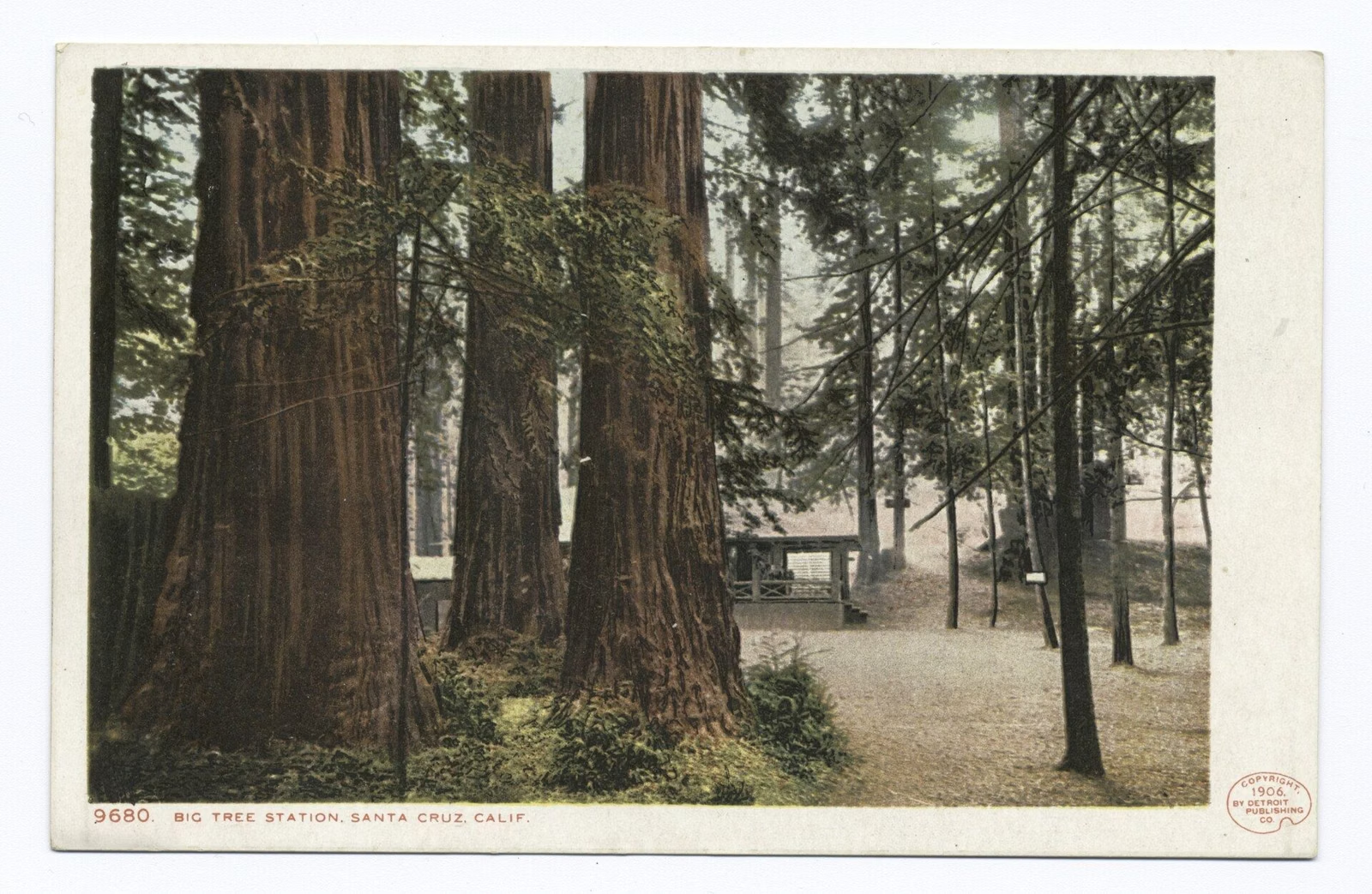
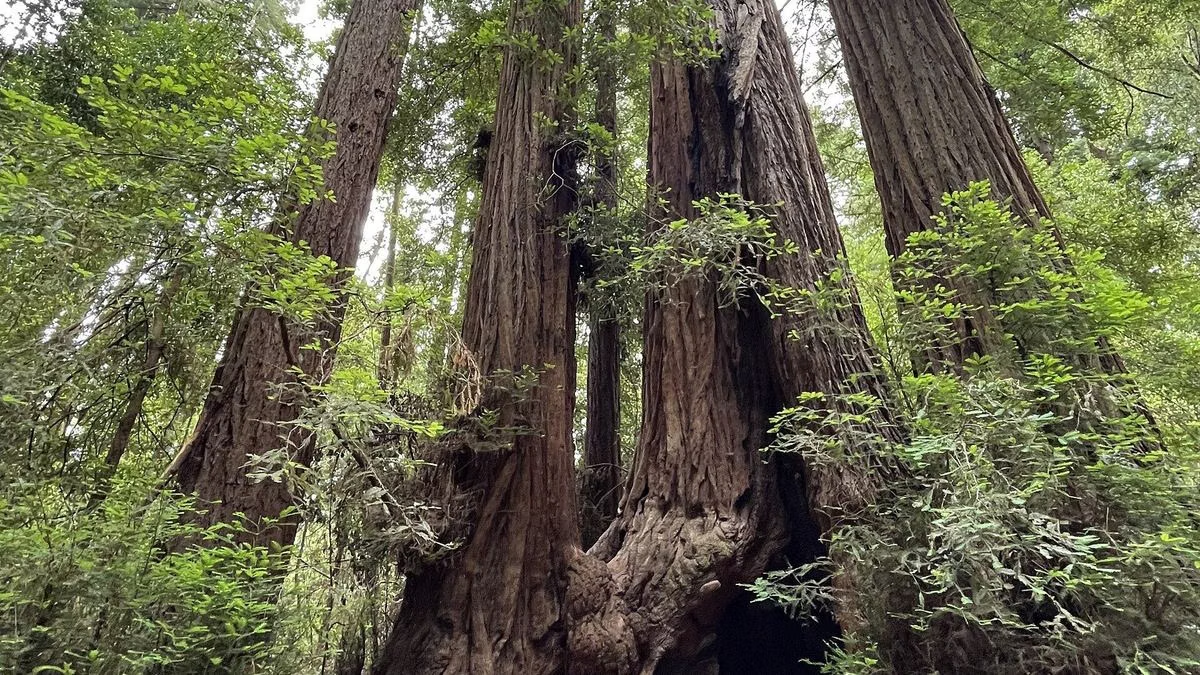
Henry Cowell Redwoods State Park is a California state park of more than 4,650 acres in the Santa Cruz Mountains at Felton, best known for its 40-acre grove of old-growth coast redwoods. The grove was a private tourist resort from 1867, became a Santa Cruz County park in 1931, and was joined with land given by Harry Cowell to form the state park, dedicated on August 18, 1954. It is named for his father, Henry Cowell, a 19th-century lime and shipping businessman.
The Park in Numbers
The First People
The Awaswas-speaking Sayanta (also written Sayante) people, part of the Ohlone culture, lived here long before Spanish rule. California State Parks says their cultural burning and selective fishing on the San Lorenzo River kept the land diverse and productive, and that they traded the river's steelhead and salmon with neighbouring tribes for acorns, obsidian and other goods. Tribal groups now work with California State Parks to bring traditional stewardship back to these lands.
Ranchos, Mills and Gold
After Mexican independence, the area was split into land grants. Three lie within today's park: Rancho Rincon, Rancho Carbonera and Rancho Zayante. Owners changed often, and the land saw logging, sawmills, a grist mill, whiskey stills, tanoak-bark harvesting and paper, gunpowder and lime making. In 1855 gold turned up in a creek opposite today's picnic area, still called Gold Gulch. California Powder Works made black powder on the river from 1864 until 1916; parts of its flume and diversion dam remain.
Welch's Big Trees Grove
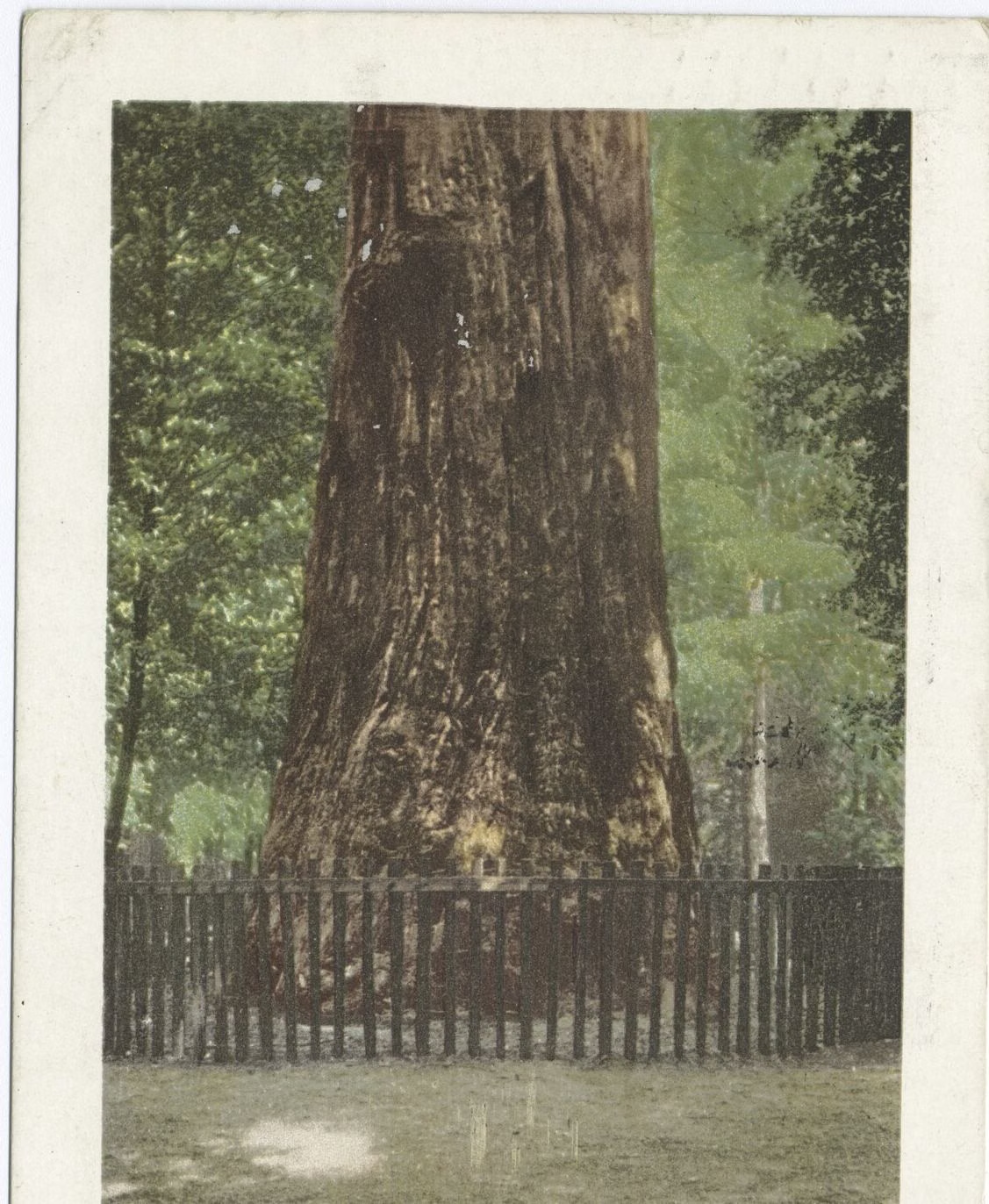
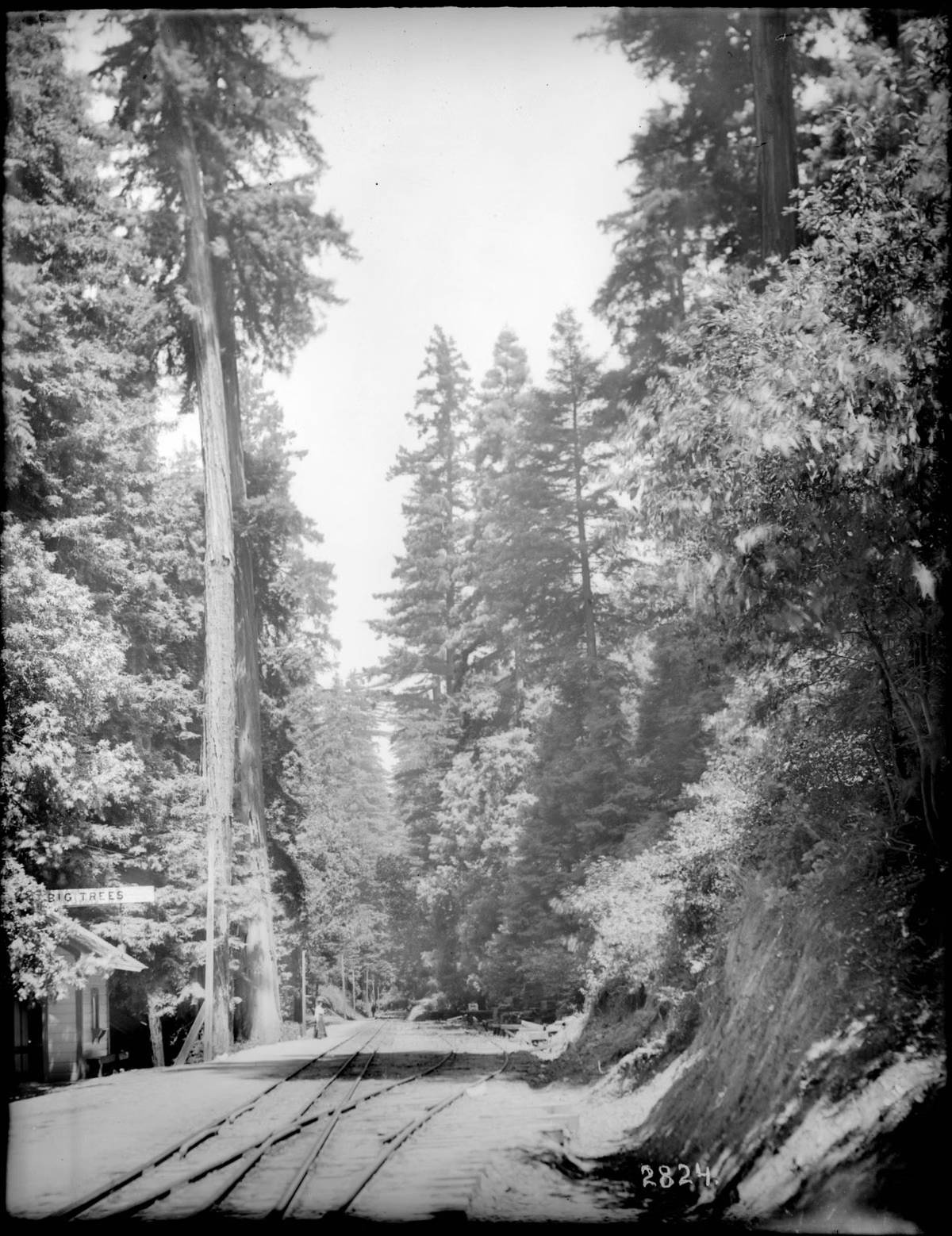
In 1867 Joseph Warren Welch Sr. bought 350 acres that held the grove of uncut redwoods. California State Parks calls it the first coast redwood stand saved purely for public enjoyment. It became a famous resort, with a train station, hotel, dining hall, cabins and a dance pavilion. John C. Frémont visited the tree named for him in 1888, President Benjamin Harrison walked the grove in 1891, and President Theodore Roosevelt posed at the Giant on May 11, 1903, asking people not to mar the trees with signs and calling cards. Andrew Carnegie came too.
The Photograph That Was Never Taken
In 1899 an English magazine sent the San Jose photographer Andrew P. Hill to photograph the big redwoods. Welch chased him off, refusing commercial photographs he was not paid for. Hill, angry that such trees were not open to everyone, went on to Big Basin instead, and with friends formed the Sempervirens Club to save the redwoods. The club's campaign created Big Basin, California's first state park. California State Parks tells the story as the start of the redwood preservation movement and of the state park system itself.
From County Park to State Park
Joseph Welch Jr. began moving the grove from private resort to public park in 1926, and insisted cars be kept away from the trees. Former Lieutenant Governor William Jeter campaigned for it from his sickbed, and his wife, Jennie Bliss Jeter, carried on. In 1930 Santa Cruz County paid $75,000 for 120 acres including the 40-acre grove, and Santa Cruz County Big Trees Park opened in 1931, in the depths of the Depression. A plaque on the Redwood Grove Loop remembers the Jeters.
In 1952 Samuel "Harry" Cowell, the last of his family, offered the state about 1,600 acres of forest and river frontage next to the grove, on condition that the combined park carry his father's name. Henry Cowell Redwoods State Park was formally dedicated on August 18, 1954. The Cowell Foundation deeded the Fall Creek Unit to the state in 1972, and Save the Redwoods League has since helped add more than 800 acres.
Who Was Henry Cowell?
Henry Cowell left Wrentham, Massachusetts, for California in 1849, at about 30, and built a drayage business in San Francisco. In 1865 he bought half of a Santa Cruz lime company, and by 1888 he controlled it outright. His kilns burned redwood to turn limestone into lime for mortar and plaster; at the peak, California State Parks says, 80 percent of California's lime came from Santa Cruz County. In 1886 he was reported to have the highest income in the county. He died in 1903. His son Harry closed the lime business in 1946, and on Harry's death his estate funded the Cowell Foundation. Its gifts reach well beyond the park, including the land of the University of California, Santa Cruz, once the Cowell Ranch.
The lime industry's marks are still visible: kilns at Fall Creek closed in 1919, and an oil-fired plant at Rincon, now in the park, ran until 1946.
The Land Today
The park protects four main habitats: old-growth and second-growth redwood forest; the riparian forest along the San Lorenzo River; the sandhills, ancient marine sand ridges with ponderosa pines and plants found nowhere else; and grassland, a human-made meadow slowly returning to forest. The river roughly follows the Ben Lomond Fault. The northern rocks are soft sandstone and mudstone with fossil sand dollars and shark teeth from an old inland sea; the southern rocks are harder granite and schist.
Wildlife includes banana slugs, black-tailed deer, coyotes, bobcats, steelhead trout, Steller's jays and the endangered marbled murrelet, which nests in the park.
Who Runs It
California State Parks manages Henry Cowell through its Santa Cruz District. The Mountain Parks Foundation, founded in 1973 as one of the first three California State Parks cooperating associations, runs the Nature Store and funds interpretive programs at Henry Cowell and Big Basin. This website is independent and not affiliated with either.
About the Park FAQ
When did Henry Cowell Redwoods State Park open?
The redwood grove opened as Santa Cruz County Big Trees Park in 1931. Henry Cowell Redwoods State Park was formally dedicated on August 18, 1954, after Harry Cowell gave the state about 1,600 adjoining acres.
Who was Henry Cowell?
A 19th-century businessman who came to California in 1849 and made his fortune in drayage and Santa Cruz lime. His son Harry gave the land for the park on condition it be named for his father.
How big is Henry Cowell Redwoods State Park?
More than 4,650 acres, according to California State Parks, including the 2,390-acre Fall Creek Unit. The old-growth grove covers 40 acres.
Did Theodore Roosevelt visit Henry Cowell?
Yes. President Theodore Roosevelt posed at the Giant on May 11, 1903, when the grove was Welch's Big Trees resort.